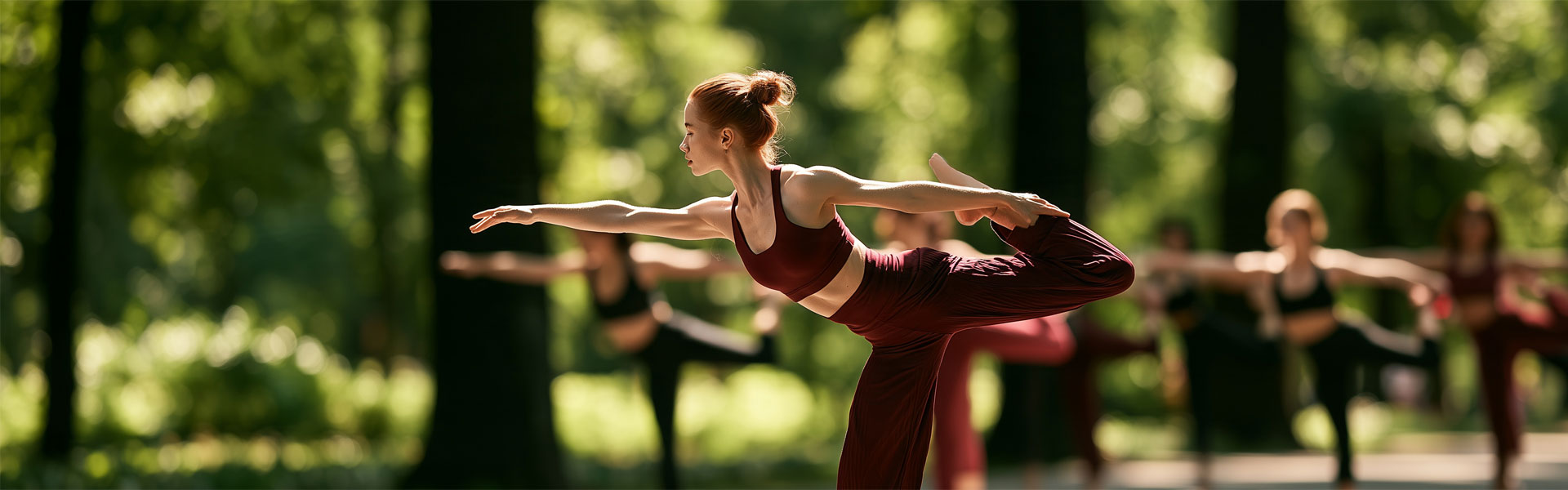
Recommended: Yin Yoga, gentle Vinyasa, restorative yoga and therapeutic yoga. Slow-paced and simple, they focus on relaxation and recovery. Not recommended: Ashtanga, hot yoga and power Vinyasa. They are intense and demanding, which may cause injury and frustration for new learners.
Rest and gentle poses are recommended for the first 3 days. Child’s Pose and Bound Angle Pose can ease cramps and backache. Avoid inversions, deep twists, intense core work and prone poses pressing the abdomen, which may disrupt circulation. You may resume normal practice gradually when you feel better later in the period.
Yes. Gentle yoga helps rehabilitation, but avoid high-risk poses. People with neck issues should skip headstands and deep backbends. Those with lower back problems avoid deep forward folds, heavy backbends and sharp twists. Stick to gentle restorative poses such as Cat-Cow, Child’s Pose and Mountain Pose, and do not force movements.
It relieves issues caused by sedentary lifestyle: stiff shoulders and neck, rounded shoulders, hunchback, lower back ache, anterior pelvic tilt and leg edema. It also reduces mental fatigue and anxiety, improves sleep and enhances concentration.
Chasing perfect poses and forcing stretches. 2. Holding breath or breathing rapidly. 3. Weak core, arched lower back and shrugged shoulders due to wrong muscle engagement. 4. Walking, drinking lots of water or showering right after practice. 5. Practicing intermittently without persistence.
Normal: dull muscle ache and mild pulling sensation that fades after rest, which means muscles are activated. Abnormal: sharp stabbing pain, joint pain, radiating pain or persistent pain after practice. These signs indicate overstretching or wrong movement. Stop immediately and rest.
On the contrary, stiff people benefit most from yoga. Flexibility is trained, not innate. Yoga does not require "perfect poses", only comfortable stretching within your limit. Do not force folds. Your flexibility will improve gradually with regular practice.
Never hold your breath. It causes dizziness, chest tightness and muscle tension, contrary to the purpose of yoga. Basic rule: inhale when opening/extending the body; exhale when folding/contracting. Maintain slow, natural diaphragmatic breathing. Beginners do not need advanced breathing techniques; just keep breathing smoothly without tension.